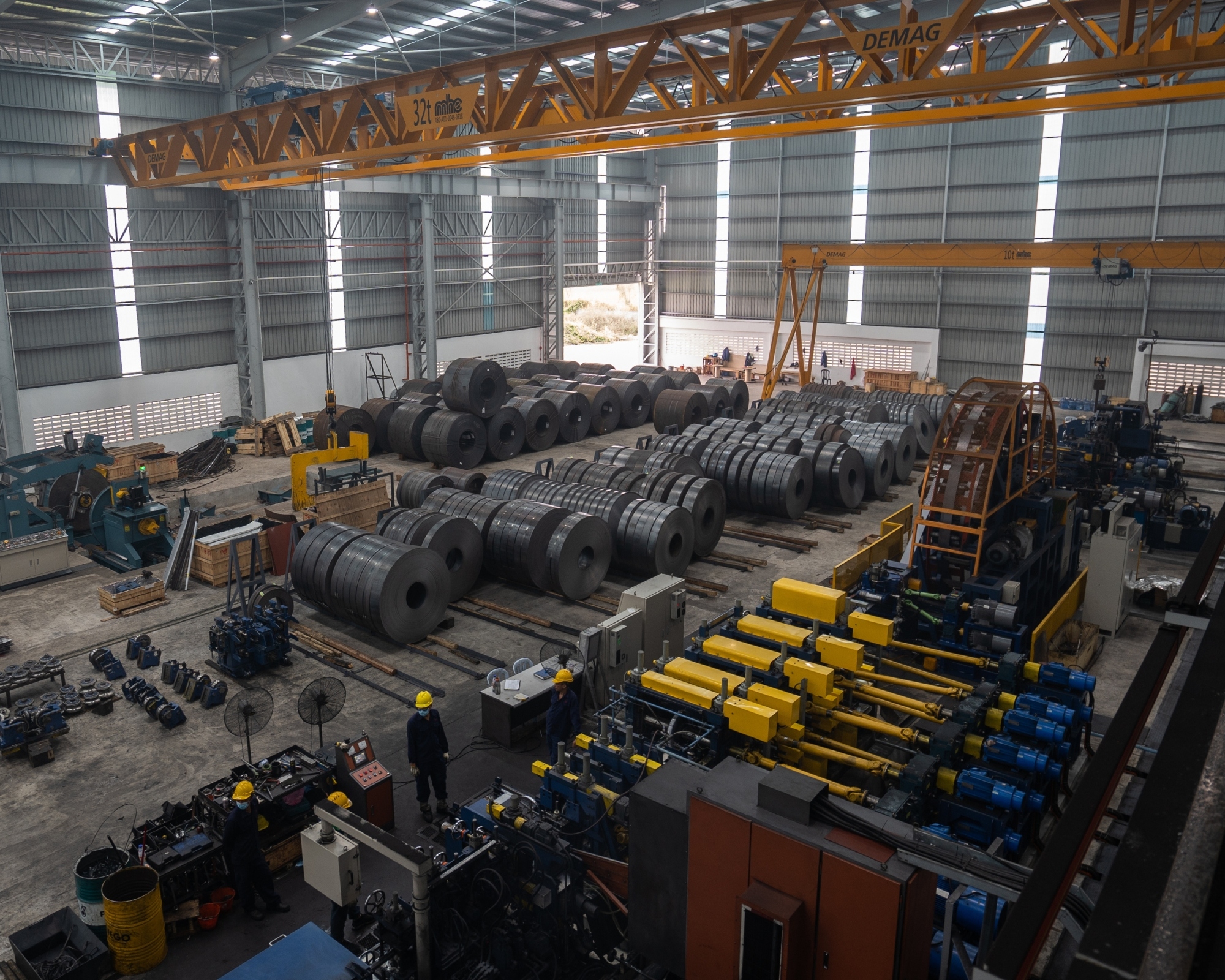
Coil Slitting: The Key to Producing Precision Metal Strips
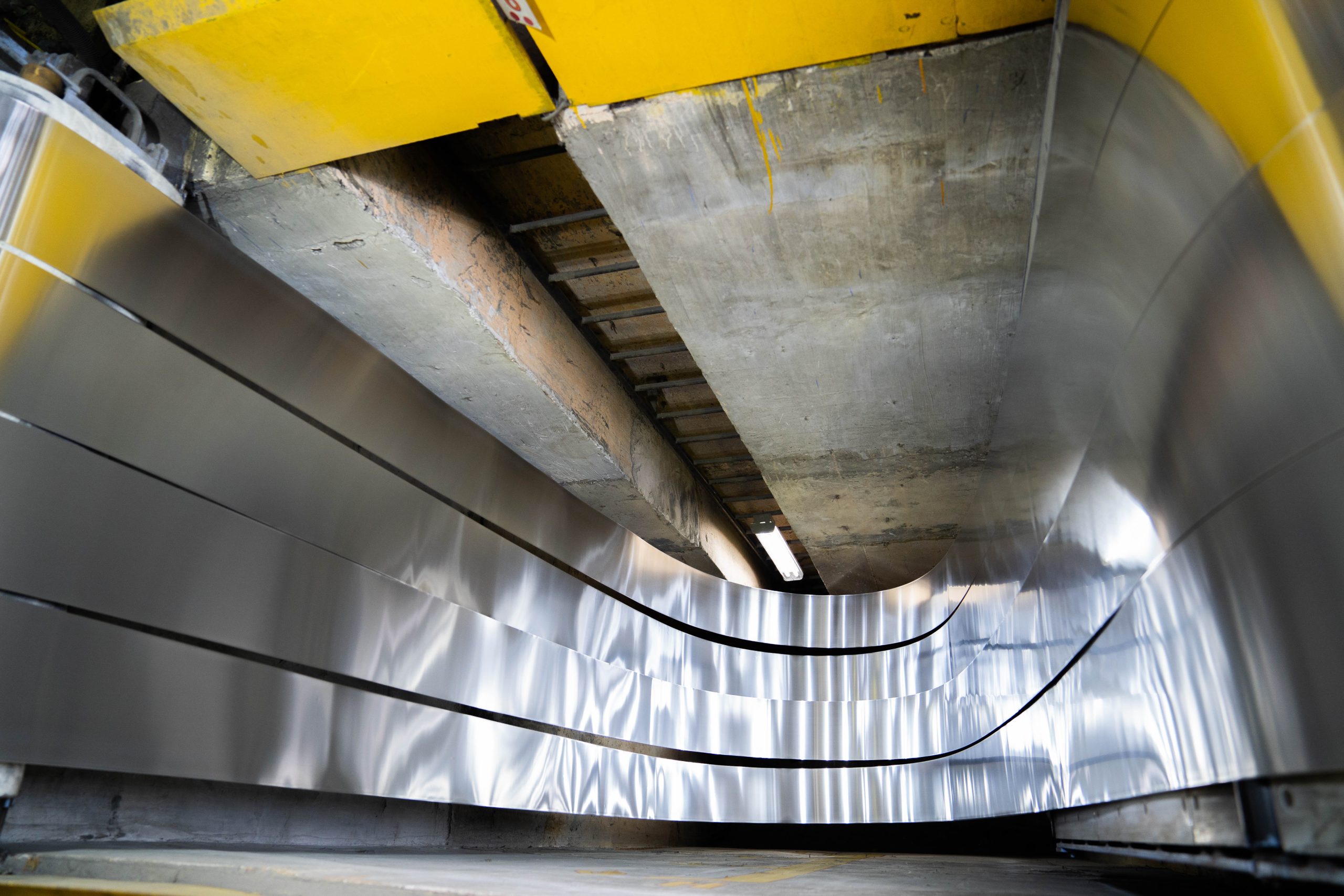
What is Coil Slitting?
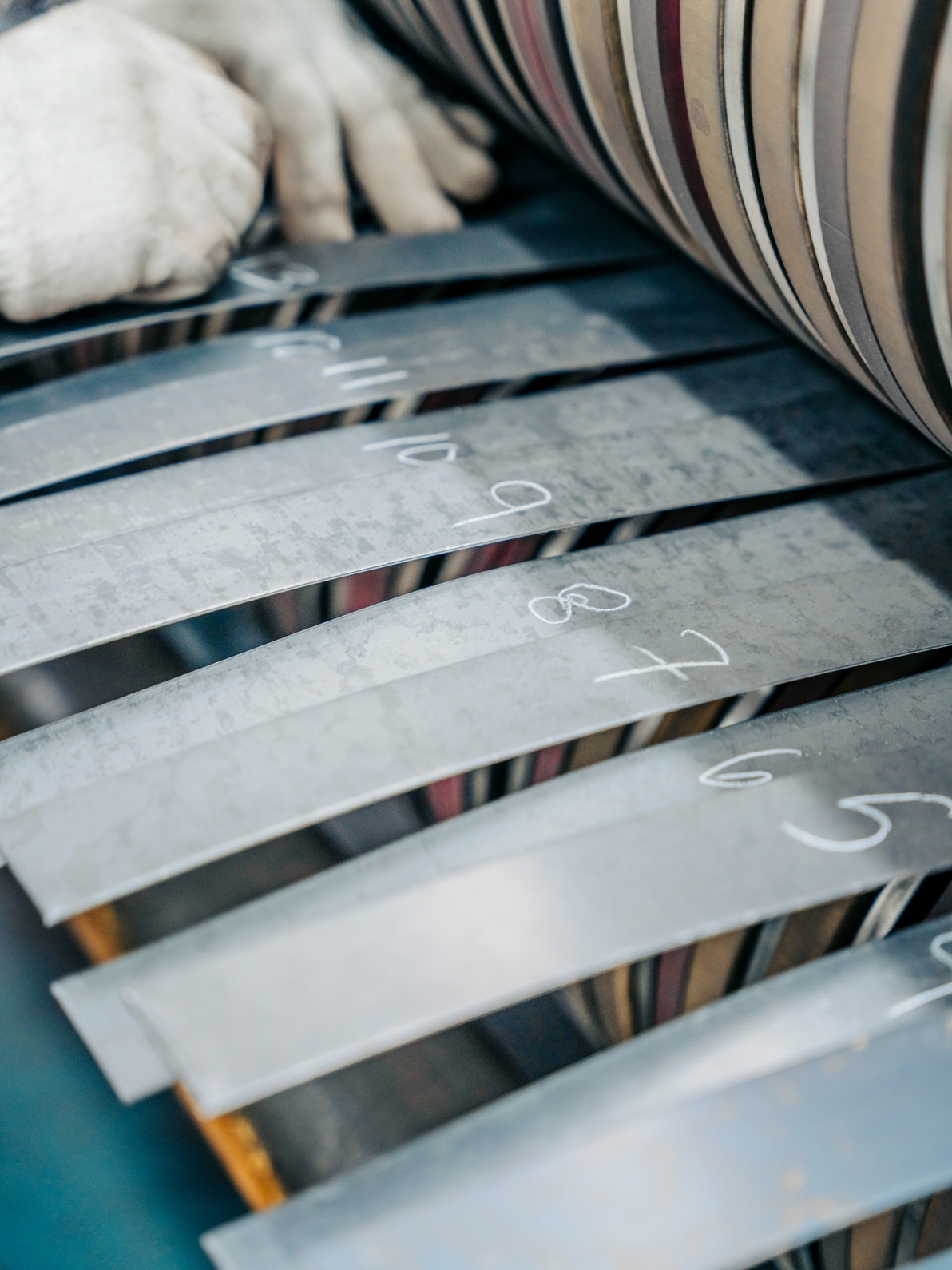
Coil slitting is a process where a large roll of metal coil (also known as a mother coil) is unwound and passed through a series of rotary blades that cut it widthwise into narrower strips. In simple terms, the width of the mother coil is divided into multiple smaller widths based on production requirements.
These strips are then rewound into smaller coils, making them ready for further use in downstream manufacturing processes.
This method is widely employed across various industries, including construction, pipe and tube manufacturing, the distribution sector, and any industry that requires processed steel strips for further production.
Key Benefits:
Although coil slitting may seem like a straightforward process. In reality, it has a significant impact on product quality, material utilisation and production efficiency.
Customisation and Precision
Coil slitting enables manufacturers to produce strips in desired customised widths tailored to their product. This ensures a precise fit for downstream processes while minimising unnecessary material waste.
Increased Production Efficiency
Coil slitting operates as a high-speed, continuous process. This improves throughput, minimising downtime, reducing unnecessary material handling time, and reduce material wastages resulting in smoother and more efficient production workflows.
Reducing Lead Time
Converting large coils into ready-to-use strips in a single streamlined process allows manufacturers to respond quickly to changing production demands.
Process Optimisation: What You Need to Consider:
To maximise the benefit of coil slitting, it’s important to focus on a few key factors that directly impact efficiency, material usage, and downstream production.
- End-Product Requirements Determine Slit Width
Each slit coil should be tailored to the exact width required for the next stage of production to minimise wastage and reduce the need for additional processing, ultimately improving cost efficiency. - Machine Capacity and Coil Weight
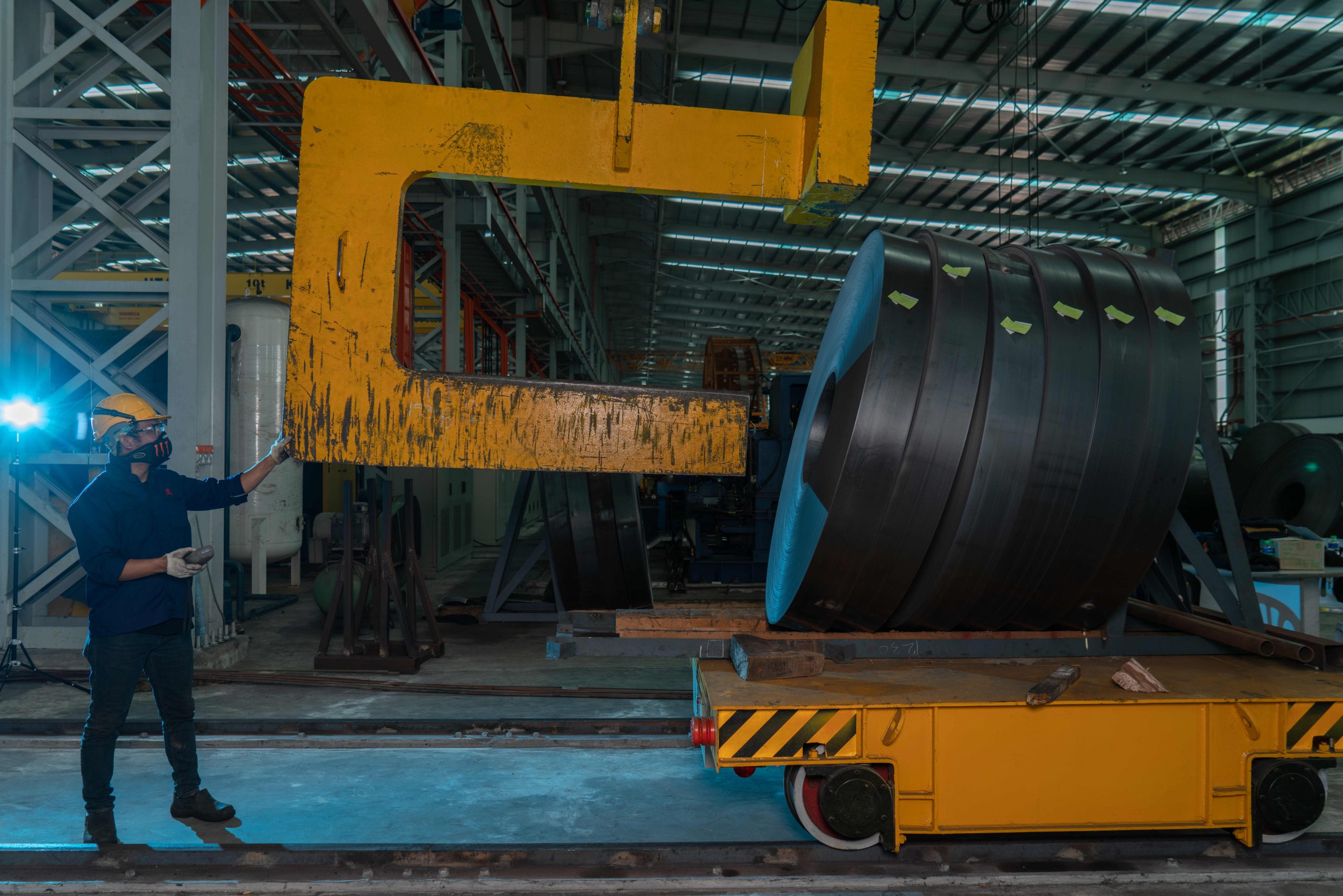
Mother coils typically range from 17Mt to 25Mt. However, not all manufacturing equipment can accommodate coils of this size. In such cases, smaller coil weights may be necessary to ensure compatibility with existing machinery and to maintain smoother operations.
Technical Capabilities
Our coil slitting process is designed to deliver precise and consistent widthwise cutting of steel coils into narrower coils for a wide range of applications.
The final length of each slit coil may vary, depending on the material thickness and the original mother coil weight.
This capability allows us to efficiently convert wide coils into accurately sized slit coil, helping optimise material usage and meet specific production needs.
Why Coil Slitting Matters
Coil slitting is more than just a preparation step; it plays a crucial role in modern metal processing by transforming steel coils into precise, manageable, production-ready materials.
Its combination of accuracy, speed, and efficiency makes it essential for industries that depend on consistent high-volume output.
Our coil slitting machines are designed to deliver consistent, high-quality results while meeting demanding production requirements. With an emphasis on precision, efficiency, and reliability, we assist manufacturers in reducing waste, optimising workflows, and achieving improved overall performance.
Contact us today to find the right solution for your manufacturing needs by requesting an enquiry consultation.